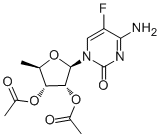
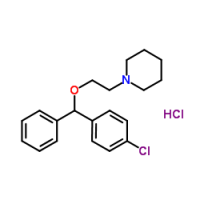
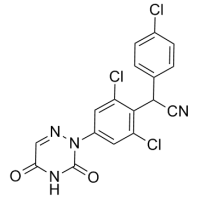
Appearance: White to light gray powder; Dry weight loss: not exceeding 0.5%; Isomer: not exceeding 0.2%; Regarding substances: The maximum single impurity shall not exceed 0.1%; The total magazine shall not exceed 0.5%; Content: should be between 98.0% and 102.0%.
Appearance: Light yellow to white powder; Moisture content: not exceeding 0.30%; Dry weight loss: not exceeding 0.5%; Isomers: not exceeding 0.1%; Regarding substances: The maximum single impurity shall not exceed 0.1%; The total magazine shall not exceed 0.5%; Content: should be between 98.0% and 102.0%.
Appearance: White to light yellow powder; Formamide: not exceeding 0.022%; Burning residue: not exceeding 0.1% Dry weight loss: not exceeding 0.5% Heavy metals: not exceeding 20 parts per million Related substances: Single impurities should not exceed 0.1%, and the sum of peak areas of each impurity should not exceed 0.5%; Content: should be between 98.0% and 102.0%.
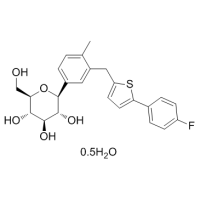
Appearance: White to off white powder; Specific rotation:+19 ° to+25 °; Chloride: not exceeding 0.01%; Sulfate: not exceeding 0.02%; Regarding substances: individual impurities should not exceed 0.1%, and total impurities should not exceed 0.5%; Moisture content: 1.6% to 2.7%; Burning residue: not exceeding 0.1%; Heavy metals: not exceeding 20 parts per million; Content: 98.0%~102.0%.
Canagliflozin is a selective inhibitor of glucose cotransporter SGLT2 and an oral drug for the treatment of diabetes. It reduces blood sugar by decomposing glucose and expelling it from the body through the kidney. Canagliflozin is clinically used to treat type II diabetes.
Appearance: off white to off white powder; Solubility: soluble in methanol, slightly soluble in water, insoluble in acetone, ethanol or ether; Specific rotation: should be+96.0 °~+100.0 °; Chloride: ≤ 0.04%; Regarding substances: Impurity A should not exceed 0.3%. Impurity B shall not exceed 0.3%. Impurities D and E shall not exceed 0.2%, unknown individual impurities shall not exceed 0.05%, and total impurities shall not exceed 0.5%; Moisture content: ≤ 0.3%; Burning residue: ≤ 0.1%; Heavy metals: ≤ 20ppm; Content: 98.0%~102.0%;
Appearance: White crystalline powder; Specific rotation: should be -25.0 º to -28.0 º; Moisture content: not exceeding 0.5% Regarding substances: The maximum single impurity shall not exceed 1.0%; The total impurities shall not exceed 3.0%; Content: should not be less than 97%.
Appearance: White or off white powder; Specific rotation: should be between+50.0 ︒ and+56.0 ︒; Dry weight loss: not exceeding 2.0%; Chloride: not exceeding 0.01%; Sulfate: not exceeding 0.02%; Related substances: Impurity RRT=2.6 should not exceed 0.3%, and the maximum single impurity should not exceed 0.1%; The total impurities shall not exceed 0.5%; Content: should be between 98.0% and 101.0%.
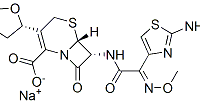
Mechanism Of Action: Ceftriaxone belongs to the cephalosporin class of antibiotics, and its mechanism of action is similar to that of other β – lactam antibiotics. It can inhibit the synthesis of cell wall mucin synthase, namely penicillin binding protein, thereby hindering the synthesis of cell wall mucin, causing bacterial cell wall defects, bacterial swelling and lysis, and serving as a reproductive fungicide. Ceftriaxone has a broad antibacterial spectrum and exhibits good antibacterial activity against Escherichia coli, Bacteroides multocida, Proteobacter, Klebsiella pneumoniae (including Klebsiella pneumoniae), β – hemolytic streptococcus, Staphylococcus aureus, as well as anaerobic bacteria including Clostridium, Bacteroides, Prevotella, Corynebacterium, and Clostridium. Most third-generation cephalosporins will be inactivated in the stomach and the duodenum will also limit drug absorption, so oral administration is not feasible. Ceftriaxone is generally administered subcutaneously or intravenously in the form of Ceftriaxone Sodium Injection. Cefotaxin is different from other cephalosporins in that it has a high protein binding rate, resulting in a long duration of activity; Manifested as hydrophilic, mainly distributed in extracellular fluid. Ceftriaxone only undergoes mild hepatic metabolism and is mainly excreted through urine.
Appearance:A white, greyish-white or yellow-white, fine, crystalline power or fine crystals, needles or elongated plates .
Solubility::Slightly soluble in water, freely soluble in alcohol and in propylene glycol. Its alcohol solution is dextrorotatory and its ethyl acetate solution is levorotatory.
Acidity or alkalinity:Not more than 0.1 ml; Specific optical rotation:+18.5~+20.5; Chloride:≤100ppm; Related substance(TCL):≤0.5%; Loss on drying :≤0.5%; Sulphated ash:≤0.1%; Assay:98.0~102.0%.
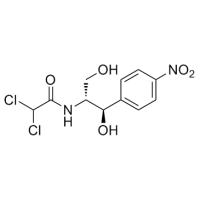
Appearance: White or off white crystalline powder; This product is soluble in water, methanol, N, N-dimethylformamide, chloroform, ethanol, and glacial acetic acid; Dissolve in acetic anhydride; Slightly soluble in acetone. Melting point: 149 ℃~153 ℃ Clarity and color of the solution: The solution should be clear and colorless; Dry weight loss: not exceeding 0.5% Regarding substances: The maximum single impurity shall not exceed 1.0%; The total impurities shall not exceed 0.5%; Burning residue: not exceeding 0.1%; Heavy metals: not exceeding 20ppm; Content: should not be less than 99.0%.
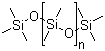
Appearance: This product is colorless, transparent crystalline or crystalline fine particles; Odorless; It is weathered in dry air and deliquescent in humid air; Weak alkaline reaction in aqueous solution; Solubility: Highly soluble in water, insoluble in ethanol; PH: 6.0-8.4; Sulfate and sulfite: not exceeding 0.2%; Sulfide: not exceeding 0.0005% Related substances: The sulfite radical shall not exceed 0.15%, the tetrasulfate radical shall not exceed 0.15%, the maximum single impurity shall not exceed 0.10%, and the total impurity shall not exceed 0.50%; Dry weight loss: 32.0%~37.0%; Calcium salts: turbidity should not occur; Heavy metals: not exceeding 0.002%; Arsenic salt: not exceeding 0.001%; Content: Calculated as dry product, Na2S2O3 content shall not be less than 99.0%. Appearance: This product is a colorless and clear oily liquid; Odorless or almost odorless. Solubility: This product can be mixed freely in chloroform, ether, toluene, or xylene, and is insoluble in water or ethanol. Relative density: 0.967~0.975 at 25 ℃. Refractive index: 1.4013~1.4053 at 25 ℃. Kinematic viscosity: 500~1000mm2/s at 25 ℃. PH: Adding sodium hydroxide titrant should result in a slight pink color, while adding sulfuric acid titrant should cause the pink color to disappear. Mineral oil: The fluorescence intensity of this product should not be deeper compared to the control solution at 365nm ultraviolet. Benzoate: The absorbance should not exceed 0.2. Regarding substances: Impurities D3, D4, D6, MM, D5 should not exceed 0.10%, other individual unknown impurities should not exceed 0.10%, and total impurities should not exceed 0.5%. Dry weight loss: not exceeding 0.5%. Heavy metals: not exceeding 0.0005% Arsenic salt: not exceeding 0.0002%. Molecular weight distribution: The weight average molecular weight (Mw) should be between 20000 and 40000, and the distribution coefficient should not exceed 2.5. Content: The content of polydimethylsiloxane should be between 97.0% and 103.0%.