
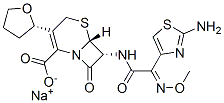
Cefovecin sodium
Mechanism Of Action:
Ceftriaxone belongs to the cephalosporin class of antibiotics, and its mechanism of action is similar to that of other β – lactam antibiotics. It can inhibit the synthesis of cell wall mucin synthase, namely penicillin binding protein, thereby hindering the synthesis of cell wall mucin, causing bacterial cell wall defects, bacterial swelling and lysis, and serving as a reproductive fungicide. Ceftriaxone has a broad antibacterial spectrum and exhibits good antibacterial activity against Escherichia coli, Bacteroides multocida, Proteobacter, Klebsiella pneumoniae (including Klebsiella pneumoniae), β – hemolytic streptococcus, Staphylococcus aureus, as well as anaerobic bacteria including Clostridium, Bacteroides, Prevotella, Corynebacterium, and Clostridium. Most third-generation cephalosporins will be inactivated in the stomach and the duodenum will also limit drug absorption, so oral administration is not feasible. Ceftriaxone is generally administered subcutaneously or intravenously in the form of Ceftriaxone Sodium Injection. Cefotaxin is different from other cephalosporins in that it has a high protein binding rate, resulting in a long duration of activity; Manifested as hydrophilic, mainly distributed in extracellular fluid. Ceftriaxone only undergoes mild hepatic metabolism and is mainly excreted through urine.
Description
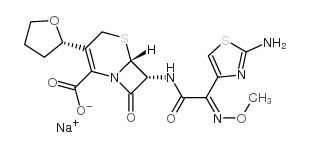
English Name:Cefovecin sodium
Chemical Name:sodium (6R,7R)-7-[[2-(2-amino-1,3-thiazol-4-yl)-2-methoxyimino-acetyl] amino]-8-oxo-3-[(2S)-oxolan-2-yl]-5-thia-1-azabicyclo[4.2.0]oct-2-ene- 2-carboxylate;
Molecular Formula:C17H18N5NaO6S2
Molecular Weight:475.47
CAS NO.:141195-77-9;
Additional information
| color | Gray |
|---|
Reviews
There are no reviews yet.